
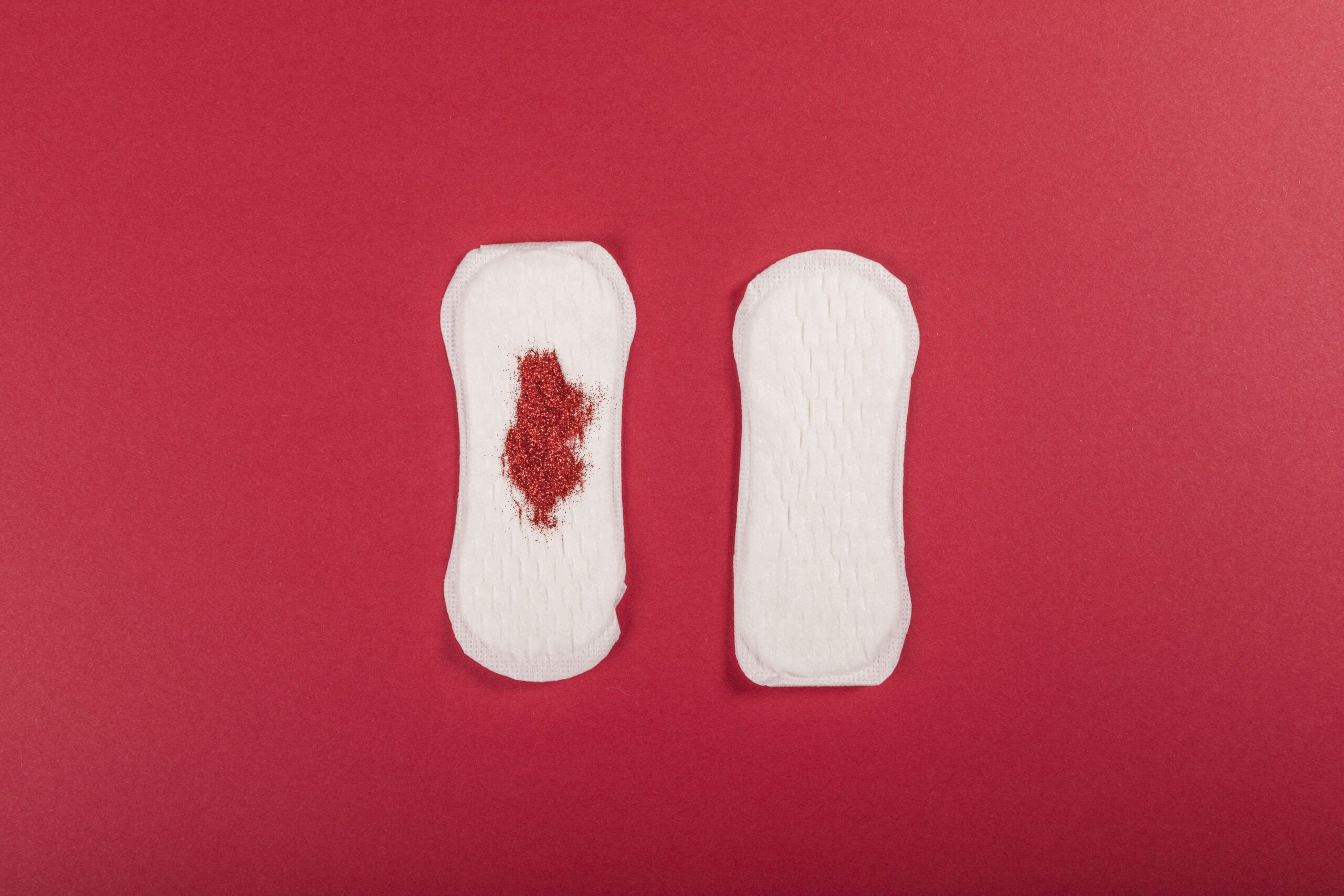
Early pregnancy can bring many small changes, and one of the most talked-about signs is Implantation bleeding. For many women, this light spotting can be confusing and even mistaken for a regular period. Understanding what it really means can help you make better decisions about your health.
This guide explains everything in simple terms, so you can recognize the signs and know when to seek medical advice.
What Is Implantation Bleeding?
Implantation bleeding happens when a fertilized egg attaches itself to the lining of the uterus. This usually occurs a few days after ovulation. As the embryo burrows into the uterine wall, it may cause tiny blood vessels to break, leading to light spotting.
This type of bleeding is completely normal and is considered one of the earliest signs of pregnancy. However, not all women experience it. In fact, studies suggest that only about 20–30% of women notice this symptom.
It is important to understand that Implantation bleeding is not the same as a menstrual period. It is much lighter, shorter, and less intense.
When Does Implantation Bleeding Occur?
Timing is key when identifying this early sign. Implantation usually occurs between 6 to 10 days after ovulation. This often falls close to the time when you expect your period, which is why it can be confusing.
For example, if you have a regular 28-day cycle, implantation may happen around day 20 to 24. If you notice light spotting during this time, it could be related to early pregnancy.
Tracking your menstrual cycle can help you better understand your body. If the timing seems unusual for your regular period, it may be worth paying closer attention.
How Does Implantation Bleeding Look?
One of the easiest ways to identify Implantation bleeding is by its appearance. It is usually:
- Light pink or brown in color
- Very light in flow
- Short in duration (a few hours to two days)
Unlike a period, it does not become heavier over time. It also does not contain clots or thick blood.
Some women may only notice a few drops, while others might see light spotting when wiping. Because it is so mild, it can easily go unnoticed.
Implantation Bleeding vs Period: Key Differences
Many women struggle to tell the difference between implantation spotting and a regular period. Here is a simple comparison:
| Feature | Implantation Bleeding | Menstrual Period |
| Flow | Very light | Moderate to heavy |
| Color | Pink or brown | Bright red |
| Duration | Few hours to 2 days | 3–7 days |
| Clots | No | Sometimes present |
| Cramping | Mild | Moderate to severe |
These differences can help you identify what your body is experiencing. If the bleeding is light and short, it may not be your period.
Other Symptoms That May Occur
In addition to Implantation bleeding, some women may notice other early pregnancy signs. These symptoms are caused by hormonal changes in the body.
Common signs include:
- Mild cramping
- Breast tenderness
- Fatigue
- Mood swings
- Slight nausea
These symptoms are usually subtle and may feel similar to premenstrual changes. That is why it is important to look at the overall pattern rather than a single symptom.
When Should You Take a Pregnancy Test?
If you notice signs that could be related to implantation, you may feel tempted to take a pregnancy test right away. However, testing too early can give inaccurate results.
After implantation, the body starts producing the hormone hCG. It takes a few days for this hormone to reach a detectable level. For best results, wait until the first day of your missed period.
If the result is negative but you still suspect pregnancy, repeat the test after a few days.
When to See a Doctor
While Implantation bleeding is normal, it is important to know when to seek medical help. You should consult a doctor if you experience:
- Heavy bleeding
- Severe abdominal pain
- Dizziness or weakness
- Bleeding that lasts longer than a few days
These symptoms may indicate other conditions that need attention.
For expert care and guidance, you can visit Lifeline Hospital, the Best Obstetrics and Gynecology Hospital in Kochi. Their experienced doctors can help you understand your symptoms and provide the right support.
Common Myths About Implantation Bleeding
There are many myths surrounding this topic, which can create confusion.
One common myth is that every pregnant woman experiences implantation bleeding. This is not true. Many women do not notice any spotting at all and still have healthy pregnancies.
Another myth is that heavier bleeding can still be implantation-related. In reality, implantation bleeding is always light. Heavy bleeding should never be ignored.
Understanding the facts can help reduce unnecessary worry and confusion.
Why Understanding This Sign Is Important
Recognizing early pregnancy signs like Implantation bleeding can help you take timely steps. It allows you to confirm pregnancy early, make lifestyle changes, and seek medical advice when needed.
However, it is important not to rely only on symptoms. Every woman’s body is different, and experiences can vary widely. The most reliable way to confirm pregnancy is through a test and consultation with a healthcare professional.
Conclusion
Implantation bleeding is one of the earliest signs of pregnancy, but it can be easy to miss or misunderstand. By paying attention to timing, color, and flow, you can better identify what your body is experiencing.
If you are unsure, do not hesitate to take a pregnancy test or consult a doctor. With the right knowledge and expert guidance, you can approach early pregnancy with confidence and clarity.
FAQs
1. Is implantation bleeding common?
No, only about 20–30% of women experience it. Many women do not notice any spotting at all.
2. How long does implantation bleeding last?
It usually lasts from a few hours to two days and is very light.
3. Can implantation bleeding be red?
It is usually pink or brown. Bright red bleeding is more likely to be a period.
4. Does implantation bleeding come with pain?
Some women feel mild cramping, but it is not as painful as menstrual cramps.
5. Can I take a pregnancy test during implantation bleeding?
It is better to wait until your missed period for accurate results.