
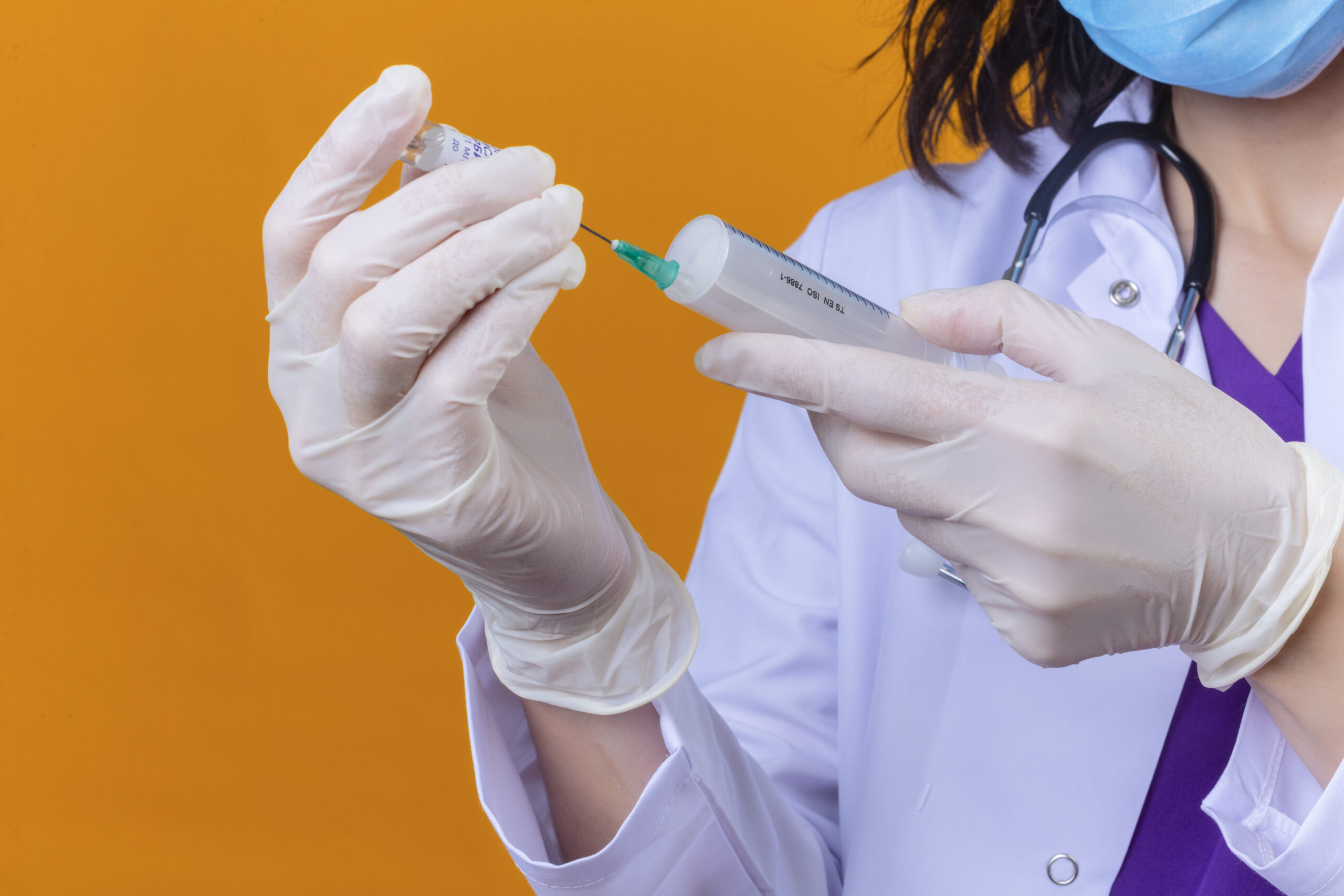
Trying to have a baby can be an emotional journey. For some couples, it happens quickly, but for others, it may take time and medical support. One of the most common treatments recommended by doctors today is fertility injections.
These injections are designed to improve the chances of pregnancy by helping the body produce eggs or regulate hormones. If you are hearing about this treatment for the first time, you might have many questions. This article explains everything in a clear and simple way so you can understand what to expect.
What Are Fertility Injections?
Fertility injections are hormone-based medicines that help stimulate the ovaries. They are mainly used in women who have difficulty ovulating or who are undergoing assisted reproductive treatments like IVF (in vitro fertilization) or IUI (intrauterine insemination).
These injections usually contain hormones such as follicle-stimulating hormone (FSH) and luteinizing hormone (LH). These hormones naturally exist in the body and play a key role in egg development.
By taking fertility injections, the ovaries are encouraged to produce more eggs than usual. This increases the chances of successful fertilization. Doctors carefully monitor the response to ensure the treatment is safe and effective.
Why Are Fertility Injections Recommended?
Doctors suggest fertility injections for several reasons. One common reason is irregular or absent ovulation. If the body does not release eggs regularly, pregnancy becomes difficult.
These injections are also used during fertility treatments like IVF, where multiple eggs are needed to increase success rates. In some cases, couples with unexplained infertility may also benefit from this treatment.
Another reason is to improve timing. Fertility injections help doctors control when ovulation happens, making it easier to plan procedures like egg retrieval or insemination.
Each treatment plan is personalized based on the patient’s condition, age, and medical history.
How Do Fertility Injections Work?
The process starts early in the menstrual cycle. Fertility injections are given daily for a specific number of days, usually between 8 and 14 days.
During this time, the ovaries are stimulated to produce multiple follicles. These follicles contain eggs. Doctors track their growth using ultrasound scans and blood tests.
Once the eggs are mature, another injection is given to trigger ovulation. This step is very important because it ensures that the eggs are released at the right time.
This controlled process increases the chances of fertilization, either naturally or through medical procedures.
Types of Fertility Injections
There are different types of fertility injections, and each serves a specific purpose. Some of the most commonly used ones include:
- FSH injections: Stimulate egg production
- hMG injections: Contain a combination of hormones to support follicle growth
- hCG injections: Trigger ovulation
- GnRH injections: Help control hormone levels
Doctors decide which type to use based on individual needs. Not every patient will require all types of injections.
Benefits of Fertility Injections
Fertility injections offer several important benefits. One of the biggest advantages is an increased chance of pregnancy. By producing multiple eggs, the likelihood of fertilization improves.
They also allow better control over the timing of ovulation. This is especially useful in treatments like IVF, where timing is critical.
Another benefit is that doctors can closely monitor the body’s response. This helps in adjusting the treatment plan if needed.
Many couples who struggled to conceive naturally have successfully achieved pregnancy with the help of fertility injections.
Possible Side Effects and Risks
Like any medical treatment, fertility injections can have side effects. Most of them are mild and manageable.
Common side effects include bloating, mild abdominal pain, mood changes, and redness at the injection site. These usually go away after the treatment cycle ends.
A rare but serious condition is ovarian hyperstimulation syndrome (OHSS). It happens when the ovaries respond too strongly. Symptoms may include severe swelling, pain, and nausea.
There is also a higher chance of multiple pregnancies, such as twins. While this may seem positive, it can carry additional health risks.
This is why it is important to take fertility injections only under medical supervision.
What to Expect During Treatment
Starting fertility injections can feel overwhelming at first, but understanding the process makes it easier.
You may need to take injections daily. Some people choose to take them at home after proper guidance, while others prefer visiting a clinic.
Regular monitoring is a key part of the treatment. You will have frequent doctor visits for scans and blood tests. These help track progress and ensure everything is going as planned.
Emotional ups and downs are normal during this time. Hormonal changes and stress can affect your mood. Having support from family, friends, and healthcare providers can help you cope better.
Success Rates of Fertility Injections
The success of fertility injections depends on many factors. Age is one of the most important. Younger women generally have higher success rates.
Other factors include overall health, lifestyle, and the cause of infertility. Some couples may achieve pregnancy in the first cycle, while others may need multiple cycles.
Doctors provide realistic expectations based on your specific situation. This helps you stay informed and prepared throughout the journey.
Choosing the Right Fertility Hospital
Selecting the right hospital plays a big role in your fertility journey. You need experienced doctors, advanced technology, and a supportive environment.
For expert care, you can visit Lifeline Hospital, the best fertility hospital in Kochi. They offer advanced treatments and personalized care for couples facing fertility challenges.
A good hospital not only focuses on medical treatment but also supports emotional well-being, which is equally important during this journey.
Conclusion
Fertility injections have become a trusted and effective solution for many couples trying to conceive. While the process may seem complex at first, proper guidance makes it manageable.
Understanding how fertility injections work, their benefits, and possible risks can help you make informed decisions. Every fertility journey is unique, and the right support can make a meaningful difference.
If you are planning to start a family and facing difficulties, consulting a fertility specialist can help you explore the best options for your situation.
FAQs
1. Are fertility injections safe?
Yes, fertility injections are generally safe when taken under the supervision of a qualified doctor.
2. Do fertility injections hurt?
Most people feel only mild discomfort, as the needles used are very small.
3. How long does the treatment last?
The injection phase usually lasts about 1 to 2 weeks, depending on the treatment plan.
4. Can fertility injections guarantee pregnancy?
No treatment can guarantee pregnancy, but fertility injections significantly improve the chances.
5. Who needs fertility injections?
They are recommended for women with ovulation issues or couples undergoing fertility treatments like IVF or IUI.