
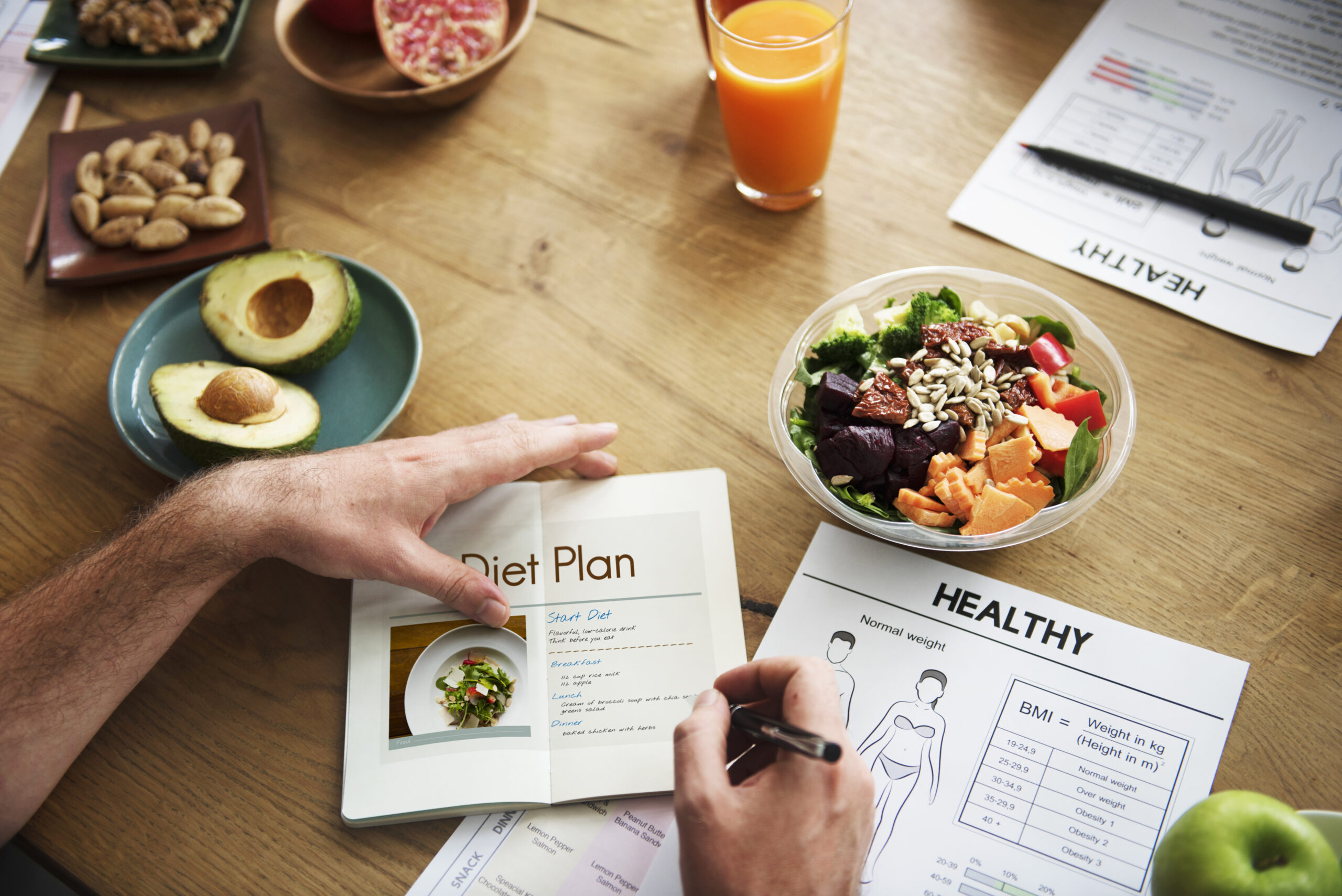
Planning for a baby is an exciting journey. While many couples focus on medical treatments, they often forget one powerful factor—nutrition. What you eat plays a major role in hormone balance, egg health, sperm quality, and overall reproductive wellness. Following the right Fertility diet plan can improve your chances of natural conception and support fertility treatments if needed.
Good nutrition helps the body function properly. Hormones that control ovulation and sperm production depend on vitamins, minerals, and healthy fats. A poor diet, high in processed foods and sugar, can disturb this balance. On the other hand, a healthy, balanced meal plan can support reproductive health for both men and women.
This guide explains what a healthy fertility diet includes, which foods to avoid, and how simple lifestyle changes can make a big difference.
Why Nutrition Matters for Fertility
Fertility is closely linked to overall health. When the body receives proper nutrients, it can regulate hormones, support ovulation, and improve sperm quality. Nutrient deficiencies may lead to irregular cycles, poor egg development, or low sperm count.
A well-designed Fertility diet plan supports:
- Balanced hormones
- Healthy ovulation
- Improved egg quality
- Better sperm production
- Healthy uterine lining
Studies show that women who follow a balanced diet rich in whole foods have better reproductive outcomes compared to those who consume highly processed diets. Similarly, men who eat antioxidant-rich foods often show improved sperm quality.
Nutrition is not a quick fix, but consistent healthy eating over time creates a strong foundation for conception.
Key Nutrients for Reproductive Health
Certain nutrients are especially important when planning pregnancy.
1. Folic Acid
Folic acid supports healthy cell growth and reduces the risk of birth defects. It is found in leafy greens, lentils, beans, and fortified cereals.
2. Iron
Iron supports oxygen supply to reproductive organs. Low iron levels can affect ovulation. Good sources include spinach, red meat, and legumes.
3. Omega-3 Fatty Acids
These healthy fats help regulate hormones and reduce inflammation. You can find them in fatty fish, walnuts, and flaxseeds.
4. Vitamin D
Vitamin D plays a role in hormone balance and ovarian function. Sunlight exposure and fortified dairy products help maintain levels.
5. Zinc and Selenium
These minerals are important for sperm health and egg quality. Nuts, seeds, seafood, and whole grains are good sources.
Including these nutrients in your daily meals supports a healthy fertility diet plan.
Best Foods to Include in a Fertility Diet
Eating natural and whole foods is the key. Focus on:
Fresh Fruits and Vegetables
Rich in antioxidants, they protect eggs and sperm from damage.
Whole Grains
Brown rice, oats, and quinoa help maintain stable blood sugar levels.
Lean Proteins
Eggs, fish, chicken, tofu, and beans provide essential amino acids.
Healthy Fats
Avocados, olive oil, nuts, and seeds support hormone production.
Dairy Products
Full-fat dairy in moderation may support ovulation, according to some studies.
Hydration is equally important. Drinking enough water improves overall body function.
Foods to Avoid When Trying to Conceive
Certain foods can negatively affect fertility.
- Processed and packaged foods
- Excess sugar and sugary drinks
- Trans fats and fried foods
- Excess caffeine
- Excess alcohol
These foods may cause inflammation, weight gain, and hormonal imbalance. Replacing unhealthy snacks with nutritious options supports reproductive health.
Weight Management and Fertility
Both underweight and overweight individuals may experience fertility challenges. Maintaining a healthy body mass index (BMI) improves hormone regulation and ovulation.
A balanced fertility diet plan combined with regular exercise supports healthy weight management. Avoid crash diets, as they may disturb hormones. Instead, focus on gradual and sustainable lifestyle changes.
Fertility Diet for Men
Fertility is not only a women’s issue. Male reproductive health is equally important.
Men should include:
- Antioxidant-rich fruits
- Nuts and seeds
- Fatty fish
- Whole grains
- Zinc-rich foods
Avoid smoking, excessive alcohol, and processed foods. Healthy habits improve sperm count, movement, and shape.
Couples should follow healthy eating together for better results.
Lifestyle Tips to Support Your Diet
Nutrition works best when combined with healthy habits:
- Exercise moderately at least 30 minutes daily
- Sleep 7–8 hours per night
- Manage stress through yoga or meditation
- Avoid smoking
- Limit alcohol
Chronic stress and poor sleep can disturb hormone levels. A calm mind supports a healthy body.
When to Seek Medical Advice
If you have been trying to conceive without success, it is important to consult a specialist. While a fertility diet plan supports natural conception, some couples may need medical guidance.
If you are looking for expert care, Lifeline Hospital – Best Fertility Hospital in Kochi offers comprehensive fertility evaluation and personalized treatment options. Their experienced specialists combine advanced medical care with patient-focused support.
Early consultation helps identify underlying conditions such as PCOS, thyroid disorders, or male factor infertility.
Sample One-Day Fertility Meal Plan
Here is a simple example:
Breakfast: Oatmeal with nuts, seeds, and fresh berries
Mid-Morning Snack: Fruit and yogurt
Lunch: Brown rice, grilled fish, spinach salad, and lentils
Evening Snack: Handful of almonds and green tea
Dinner: Quinoa, mixed vegetables, and grilled chicken or tofu
This simple plan provides balanced nutrients and supports hormone health.
Common Myths About Fertility Diets
Many people believe in extreme diets or special “miracle” foods. There is no single food that guarantees pregnancy. Fertility improvement requires a balanced and consistent approach.
Avoid unverified supplements without medical advice. Always consult a healthcare professional before making major dietary changes.
Conclusion
Nutrition plays a powerful role in reproductive health. A well-balanced fertility diet plan supports hormone balance, improves egg and sperm quality, and enhances overall well-being. While diet alone may not solve all fertility challenges, it builds a strong foundation for conception.
If you are planning pregnancy, start making healthy food choices today. Combine proper nutrition with regular check-ups and expert medical advice for the best results.
FAQs
1. How long should I follow a fertility diet plan before trying to conceive?
It is recommended to follow a healthy fertility diet plan at least 3 months before trying to conceive. This is because egg and sperm development takes around 2–3 months. Consistent healthy eating during this time can positively support reproductive health.
2. Can a fertility diet plan improve egg and sperm quality?
Yes, a balanced diet rich in antioxidants, vitamins, and healthy fats can support egg and sperm health. While it cannot completely reverse age-related changes, proper nutrition improves overall reproductive function.
3. Are there specific foods that increase fertility quickly?
There is no single “magic” food that guarantees pregnancy. Fertility improves with a balanced diet that includes fruits, vegetables, whole grains, lean proteins, and healthy fats combined with a healthy lifestyle.
4. Should both partners follow a fertility diet?
Yes, fertility depends on both partners. Men should also follow a healthy diet to improve sperm quality, count, and motility. Healthy habits as a couple increase the chances of conception.
5. Do I need supplements along with a fertility diet plan?
Some people may benefit from supplements like folic acid, vitamin D, or iron. However, supplements should only be taken after consulting a doctor to ensure the right dosage and avoid unnecessary intake.