
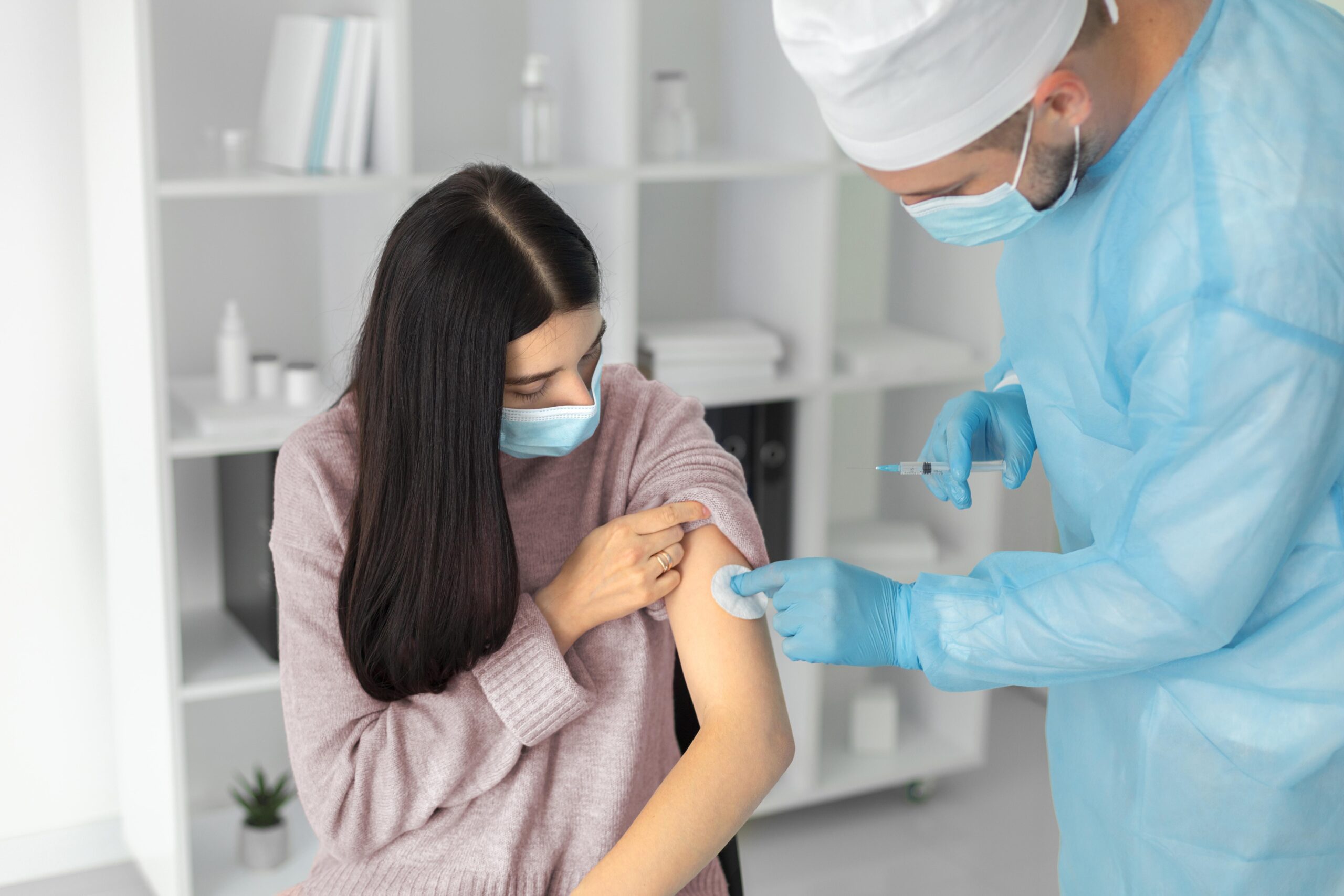
Cervical cancer is one of the most preventable forms of cancer when timely screening and vaccination are combined. The Cervical cancer vaccine plays a vital role in protecting women from high-risk human papillomavirus (HPV) infections, which are responsible for the majority of cervical cancer cases worldwide. Increasing awareness about this vaccine can save lives and significantly reduce the disease burden.
This article explains what the vaccine is, how it works, who should take it, and why expert medical guidance is essential.
What Is Cervical Cancer?
Cervical cancer develops in the cells of the cervix, the lower part of the uterus connecting to the vagina. The primary cause is persistent infection with high-risk types of HPV, a very common sexually transmitted virus. Most HPV infections clear on their own, but some types can lead to cervical cancer over time if left untreated.
What Is the Cervical Cancer Vaccine?
The Cervical cancer vaccine is designed to protect against the most dangerous strains of HPV that are known to cause cervical cancer. By preventing HPV infection, the vaccine significantly lowers the risk of developing precancerous changes and cancer of the cervix later in life.
Currently available vaccines protect against multiple HPV types and are approved for use in both females and males.
How Does the Vaccine Work?
The vaccine stimulates the immune system to produce antibodies against HPV. If a vaccinated person is later exposed to the virus, the immune system can quickly neutralize it, preventing infection and long-term complications.
It is most effective when given before exposure to HPV, which is why early vaccination is strongly recommended.
Who Should Get the Cervical Cancer Vaccine?
Medical experts recommend the vaccine for:
- Girls aged 9–14 years (ideal age group)
- Adolescents and young women up to 26 years
- Adults up to 45 years, after medical consultation
Even sexually active women may benefit from vaccination, as they may not have been exposed to all HPV strains covered by the vaccine.
Consulting a qualified gynecologist helps determine the right time and dosage schedule based on individual health factors.
Dosage Schedule
The dosage depends on age:
- Ages 9–14: Two doses, 6–12 months apart
- Ages 15 and above: Three doses over six months
Completing the full schedule is essential for maximum protection.
Is the Vaccine Safe?
Yes. The Cervical cancer vaccine has been extensively studied and monitored worldwide. It is considered very safe, with millions of doses administered globally.
Common side effects include:
- Mild pain or swelling at the injection site
- Low-grade fever
- Headache or fatigue
Serious side effects are extremely rare. The benefits of preventing cervical cancer far outweigh the minimal risks.
Does Vaccination Replace Cervical Cancer Screening?
No. Vaccination does not eliminate the need for regular screening such as Pap smears or HPV tests. Screening helps detect early cell changes that can be treated before cancer develops.
Vaccination and screening together provide the strongest protection.
Importance of Expert Gynecological Care
Receiving the vaccine under the guidance of experienced healthcare professionals ensures safety, correct dosing, and proper follow-up. Lifeline Hospital, the best obstetrics and gynecology hospital in Kochi, offers expert consultation, vaccination services, and comprehensive women’s healthcare under one roof.
Their team of skilled gynecologists emphasizes preventive care, patient education, and personalized treatment plans.
Myths and Facts About the Vaccine
Myth: The vaccine affects fertility
Fact: There is no evidence that the vaccine impacts fertility. It only prevents HPV infection.
Myth: Only women need the vaccine
Fact: Vaccinating men helps reduce HPV transmission and related cancers.
Myth: Vaccination is unnecessary if you feel healthy
Fact: HPV infections are often silent. Prevention is far better than treatment.
Conclusion
The Cervical cancer vaccine is a proven, safe, and effective way to protect against one of the most common cancers affecting women. Early vaccination, regular screening, and expert medical care together can drastically reduce cervical cancer cases.
If you are considering vaccination for yourself or your child, consult trusted specialists at Lifeline Hospital, Kochi, to take a confident step toward long-term health and prevention.