
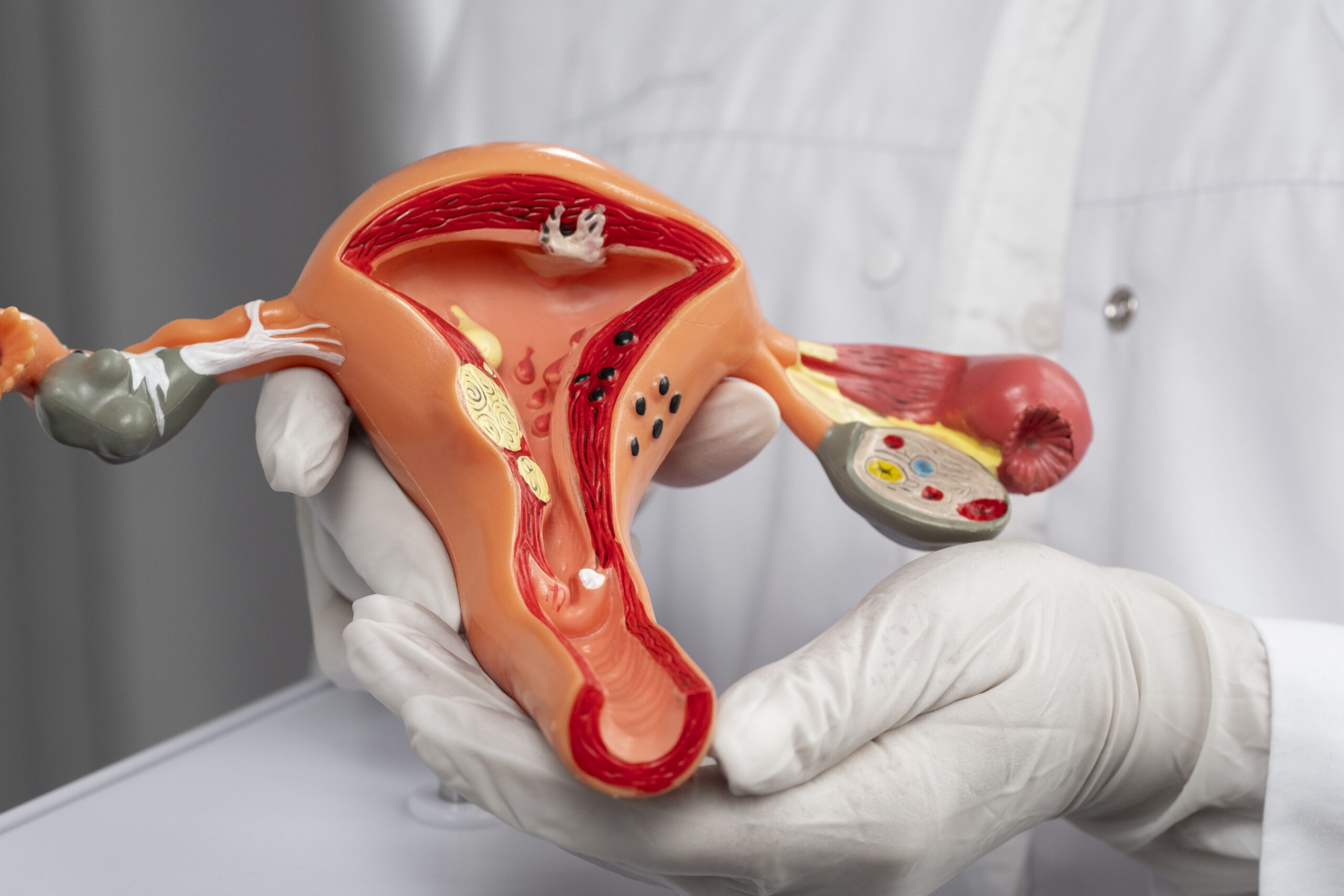
Ovarian cysts are a common gynecological condition affecting women of all ages. While many cysts are harmless and disappear on their own, some may grow larger, cause pain, or lead to complications. In such cases, Laparoscopic ovarian cyst removal is a modern, minimally invasive surgical option that offers faster recovery and better outcomes.
This blog explains everything you need to know about ovarian cysts, when surgery is required, how the procedure is done, and what to expect during recovery.
What Is an Ovarian Cyst?
An ovarian cyst is a fluid-filled sac that develops on or inside an ovary. Most ovarian cysts form during the menstrual cycle and are usually non-cancerous.
Common types of ovarian cysts include:
- Functional cysts
- Dermoid cysts
- Endometriomas
- Polycystic ovaries
- Cystadenomas
While many cysts do not cause symptoms, some can lead to discomfort or health risks if left untreated.
Symptoms That May Need Medical Attention
You may need evaluation if you experience:
- Persistent lower abdominal or pelvic pain
- Bloating or heaviness in the abdomen
- Irregular or painful periods
- Pain during intercourse
- Difficulty conceiving
- Sudden severe pain (possible cyst rupture or torsion)
A gynecologist may recommend Laparoscopic ovarian cyst removal if the cyst is large, painful, growing, or suspicious in nature.
What Is Laparoscopic Ovarian Cyst Removal?
Laparoscopic ovarian cyst removal is a minimally invasive surgical procedure used to remove ovarian cysts while preserving healthy ovarian tissue whenever possible.
The surgery is performed using:
- Small incisions (keyhole surgery)
- A laparoscope (thin camera)
- Specialized surgical instruments
This approach allows doctors to treat cysts effectively with minimal trauma to the body.
Who Needs This Procedure?
Your doctor may suggest surgery if:
- The cyst does not shrink over time
- The cyst is larger than 5–6 cm
- There is severe or ongoing pain
- The cyst affects fertility
- There is a risk of ovarian torsion
- The cyst appears abnormal on scans
Women planning pregnancy often benefit from laparoscopic treatment as it helps preserve ovarian function.
Benefits of Laparoscopic Surgery
Compared to open surgery, Laparoscopic ovarian cyst removal offers several advantages:
- Smaller incisions and minimal scarring
- Less post-operative pain
- Shorter hospital stay
- Faster recovery
- Lower risk of infection
- Better cosmetic results
- Improved fertility preservation
These benefits make laparoscopy the preferred choice for most ovarian cyst surgeries.
How Is the Procedure Performed?
The surgery typically follows these steps:
- Anesthesia – General anesthesia is given
- Small incisions – Tiny cuts are made in the abdomen
- Camera insertion – A laparoscope provides a clear view
- Cyst removal – The cyst is carefully separated and removed
- Ovary preservation – Healthy ovarian tissue is protected
- Closure – Incisions are closed with minimal sutures
The procedure usually lasts 30 to 90 minutes, depending on the cyst size and complexity.
Recovery After Surgery
Recovery is generally quick and smooth.
What to expect:
- Mild pain or discomfort for a few days
- Discharge within 24–48 hours
- Return to normal activities in 1–2 weeks
- Avoid heavy lifting for a short period
Your doctor will provide personalized recovery advice and follow-up care instructions.
Is the Procedure Safe?
Yes, Laparoscopic ovarian cyst removal is considered very safe when performed by experienced gynecologists. Complications are rare and may include bleeding, infection, or injury to nearby organs, which are uncommon with expert care.
Choosing a well-equipped hospital and skilled surgical team greatly reduces risks.
Impact on Fertility
One of the major advantages of laparoscopic surgery is fertility preservation. The procedure focuses on removing only the cyst while protecting ovarian tissue. Many women conceive naturally after recovery, especially when cysts were interfering with ovulation or causing hormonal imbalance.
Why Choose Lifeline Hospital, Kochi?
For women seeking expert gynecological care, Lifeline Hospital stands out as a trusted center for advanced treatments.
Lifeline Hospital offers:
- Experienced obstetricians and gynecologists
- Advanced laparoscopic surgical facilities
- Personalized fertility-focused care
- High safety standards and modern operation theaters
- Compassionate pre- and post-surgery support
Learn more about expert women’s healthcare at Lifeline Hospital – the best obstetrics and gynecology hospital in Kochi
When Should You Consult a Doctor?
You should consult a gynecologist if:
- Pelvic pain persists
- Ultrasound shows a growing cyst
- You have fertility concerns
- Symptoms affect daily life
Early diagnosis and timely treatment help prevent complications and protect reproductive health.
Conclusion
Ovarian cysts are common, but they should never be ignored when symptoms persist. Laparoscopic ovarian cyst removal is a safe, effective, and minimally invasive solution that ensures faster recovery and better long-term outcomes.
With expert doctors, modern technology, and patient-focused care, Lifeline Hospital in Kochi provides reliable treatment for women at every stage of life.
If you notice symptoms or have concerns about ovarian cysts, consult a specialist early and take a confident step toward better gynecological health.