
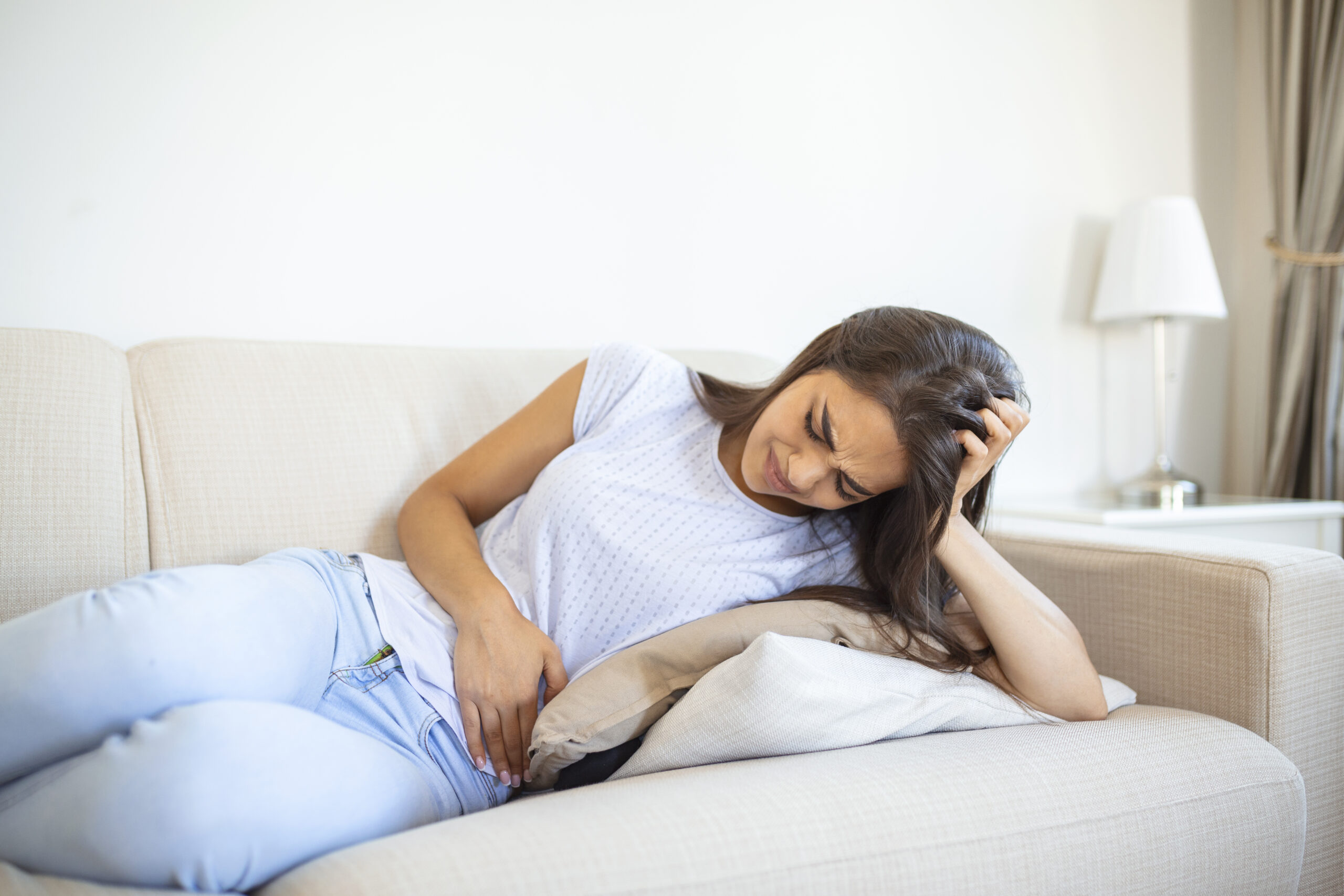
Endometriosis affects millions of women around the world, often causing severe pain, irregular periods, and fertility challenges. Living with this condition can feel overwhelming, especially when symptoms disrupt daily life. The good news is that modern Endometriosis treatment methods are more advanced, effective, and accessible than ever before. With the right medical guidance and supportive lifestyle choices, many women can successfully manage symptoms and improve their quality of life.In this complete guide, we break down the causes, symptoms, diagnosis methods, and various treatment options. Our goal is to help you understand the condition using simple language, giving you the clarity and confidence to seek the right care. If you are looking for trusted gynecology services, you can always reach out to Lifeline Hospital, Kochi for expert support.
What Is Endometriosis?
Endometriosis is a condition where tissue similar to the lining of the uterus grows outside the uterus. This abnormal growth can occur on the ovaries, fallopian tubes, bowel, or other nearby organs. Even though the tissue grows outside the uterus, it behaves just like the uterine lining — thickening, breaking down, and bleeding every month. Because the blood cannot exit the body normally, it leads to inflammation, scarring, and severe pain.
Common Symptoms
Endometriosis symptoms may vary from person to person. Some women experience mild discomfort, while others face intense pain.
Common symptoms include:
- Severe menstrual cramps
- Heavy bleeding
- Pain during intercourse
- Pain during bowel movements or urination
- Lower back pain
- Bloating
- Fatigue
- Difficulty getting pregnant
If these symptoms persist, it is important to seek medical evaluation as early as possible.
What Causes Endometriosis?
Doctors and researchers are still studying why Endometriosis occurs. However, the following factors may increase the risk:
- Genetics: If a close family member has the condition, your chances may be higher.
- Hormonal imbalance: High levels of estrogen can contribute to abnormal tissue growth.
- Immune system issues: When the immune system doesn’t work properly, it may not destroy misplaced tissue.
- Retrograde menstruation: Menstrual blood flows backward into the pelvic area instead of leaving the body.
While we cannot fully prevent the condition, early diagnosis and proper Endometriosis treatment can help avoid long-term complications.
How Is Endometriosis Diagnosed?
Diagnosing Endometriosis can be challenging because symptoms mimic other health issues. Doctors typically use a combination of methods:
1. Medical History and Physical Exam
Your doctor will ask about your symptoms, menstrual cycle, and medical history. A pelvic exam may help identify cysts or scars.
2. Ultrasound
A pelvic ultrasound can detect cysts known as endometriomas.
3. MRI Scan
An MRI offers detailed images and helps your doctor understand the extent of the disease.
4. Laparoscopy (Gold Standard)
Laparoscopy is a minimally invasive procedure that allows direct viewing of the pelvic organs. It is the most accurate method and sometimes used to remove endometrial growths during the same procedure.
Types of Endometriosis Treatment
There are several Endometriosis treatment options depending on the severity of the condition, symptoms, and whether the woman wishes to become pregnant.
Below are the most common approaches:
1. Pain Management
For women experiencing mild symptoms, doctors often recommend pain-relieving medications.
Common options include:
- NSAIDs (Ibuprofen, Naproxen)
- Hormone therapy combined with pain relief
Pain management does not treat the root cause but offers temporary relief.
2. Hormone Therapy
Hormonal therapies help slow the growth of endometrial-like tissue and reduce inflammation.
Options include:
- Birth control pills
- Progesterone therapy
- Gonadotropin-releasing hormone (GnRH) agonists
- Hormonal IUD
These methods help regulate the menstrual cycle and reduce symptoms. Hormone therapy is a widely recommended Endometriosis treatment for early and moderate stages.
3. Surgical Treatment
Surgery is considered when pain is severe, when fertility is affected, or when other treatments fail.
Types of surgery include:
a) Laparoscopic Surgery
This is the most common surgical Endometriosis treatment. Doctors remove lesions, cysts, and scar tissue while preserving reproductive organs.
b) Hysterectomy
In rare and severe cases, a hysterectomy (removal of the uterus) may be recommended, especially when other treatments do not help and pregnancy is not planned.
4. Fertility Treatment
Endometriosis can make natural conception difficult. Depending on the stage of the disease, doctors may suggest:
- Ovulation induction
- Intrauterine insemination (IUI)
- In vitro fertilization (IVF)
Fertility-focused endometriosis treatment helps many women achieve pregnancy with expert medical support.
5. Lifestyle and Natural Approaches
While lifestyle changes are not replacements for medical treatment, they can significantly support symptom management.
Helpful approaches include:
- Regular exercise: Improves blood flow and reduces inflammation.
- Anti-inflammatory diet: Foods like leafy greens, fruits, turmeric, and omega-3s help reduce pain.
- Stress management: Yoga, meditation, and breathing techniques can support hormone balance.
- Heat therapy: Heating pads relieve cramps and pelvic pain.
Combining professional medical care with lifestyle adjustments creates a holistic endometriosis treatment plan.
How Long Does Endometriosis Treatment Take?
The duration varies for each person. Mild cases may improve within a few months of hormone therapy. Surgical results may last several years, but symptoms can return in some cases. Consistent follow-ups with your gynecologist are essential to monitor progress and customize your care plan.
Can Endometriosis Be Cured?
Currently, there is no permanent cure. However, the condition can be effectively managed through a combination of medical treatments, surgery, and healthy lifestyle habits. Many women lead normal, active, and pain-free lives with the right endometriosis treatment.
Why Early Treatment Is Important
Untreated Endometriosis can lead to:
- Chronic pain
- Fertility issues
- Ovarian cysts
- Digestive problems
- Emotional stress
- Adhesions and scar tissue
Early diagnosis and timely endometriosis treatment can prevent these complications and protect long-term reproductive health.
Endometriosis and Emotional Well-being
Living with chronic pain affects mental health. Many women experience anxiety, stress, and frustration. Mental health support is a crucial part of overall treatment. Counseling, support groups, and open communication with loved ones can make a big difference.
Choosing the Right Hospital for Endometriosis Treatment
Selecting a hospital with expert gynecologists is important for accurate diagnosis and effective treatment. If you are in Kerala, you can consider Lifeline Hospital, Kochi, known for its advanced obstetrics and gynecology care, modern diagnostic facilities, and experienced specialists.
Their patient-focused approach ensures safe, reliable, and personalized endometriosis treatment tailored to your needs.
Conclusion
Endometriosis is a complex condition, but you do not have to face it alone. With modern medical advancements, early detection, and proper care, women can manage symptoms, reduce pain, and improve fertility. By understanding your body, tracking symptoms, and seeking expert guidance, you take a powerful step toward better health.
If you suspect you may have Endometriosis or are looking for the right treatment plan, consult a trusted gynecologist as early as possible. Expert care can make a life-changing difference.