
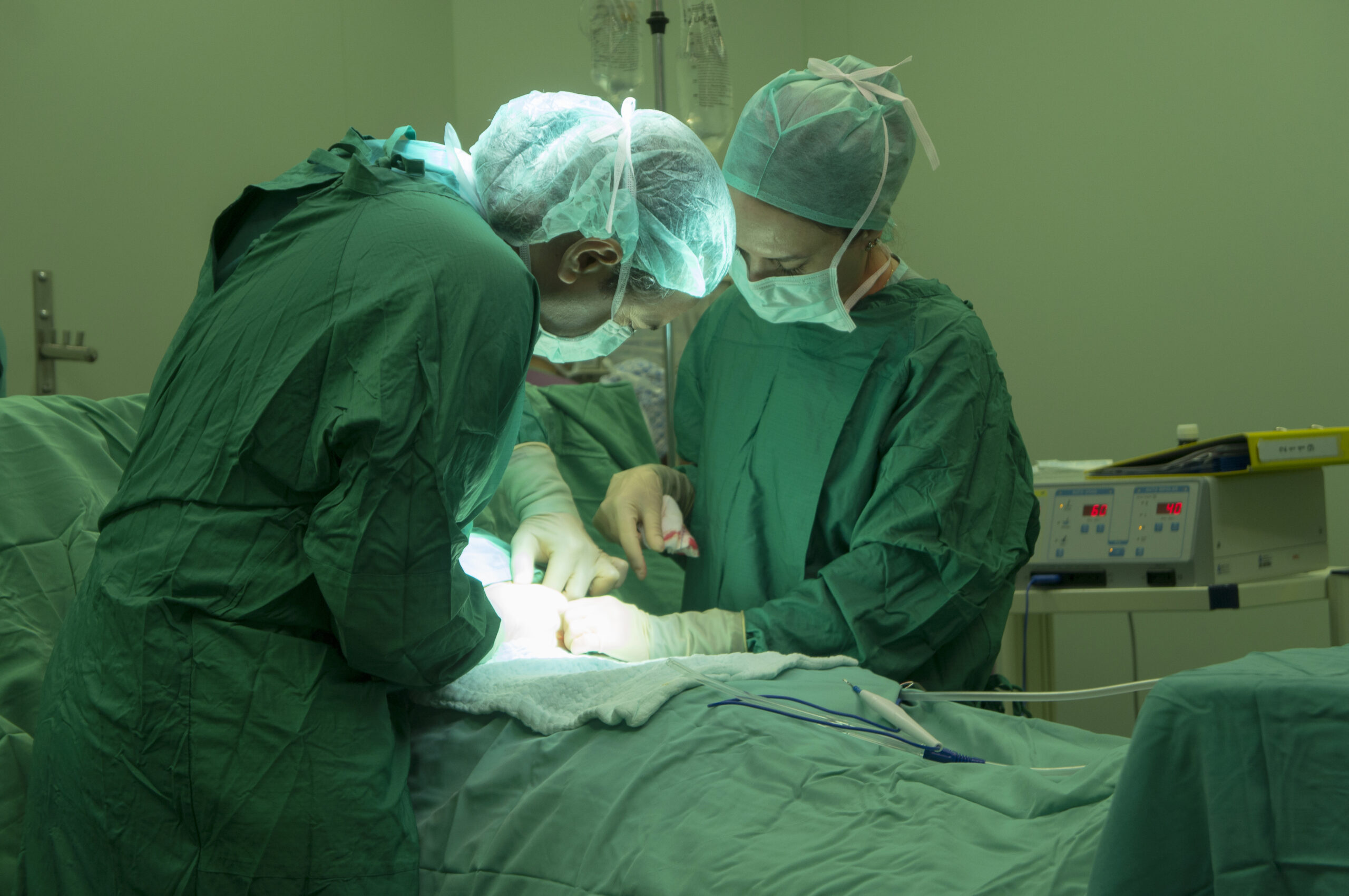
Advances in medical technology have transformed the way women’s health conditions are diagnosed and treated. One of the biggest changes in the last few decades is the rise of Keyhole surgery for gynecology, also known as gynecologic laparoscopy. This minimally invasive procedure has made treatment safer, faster, and more comfortable for patients around the world.
This detailed guide will help you understand what Keyhole surgery for gynecology is, how it works, its benefits, the conditions it treats, the risks involved, and what you can expect before and after the procedure. The information is written in simple English to help anyone understand it easily.
What Is Keyhole Surgery for Gynecology?
Keyhole surgery for gynecology is a minimally invasive surgical technique that uses very small cuts in the abdomen instead of a large incision. Through these tiny openings, doctors insert a thin tube with a camera called a laparoscope. This camera displays images on a screen, helping the doctor perform surgery with high precision.
Because the surgery is done through small cuts, there is less pain, less bleeding, and a much quicker recovery compared to traditional open surgery.
Today, many women prefer Keyhole surgery for gynecology because of its safety and effectiveness.
Why Keyhole Surgery Is Becoming Popular in Women’s Health
Gynecology deals with complex organs such as the uterus, ovaries, and fallopian tubes. Traditional surgeries often required big incisions, long hospital stays, and painful recovery. But Keyhole surgery for gynecology has changed that.
Here are the key reasons why more gynecologists recommend it:
1. Faster Healing
Since the cuts are tiny, the body heals much quicker. Many patients return to normal life in a few days.
2. Less Pain and Discomfort
Small incisions mean less tissue damage. This leads to reduced pain after the surgery.
3. Lower Risk of Infection
The chances of infection are lower because the wounds are very small.
4. Minimal Scarring
Unlike open surgery, Keyhole surgery leaves almost invisible marks.
5. Higher Accuracy
The laparoscope allows doctors to see internal organs clearly, improving precision.
6. Short Hospital Stay
Most patients go home within a day or two, and some procedures are even done on the same day.
Common Gynecologic Conditions Treated With Keyhole Surgery
Keyhole surgery for gynecology can help diagnose or treat many conditions. It is commonly used for:
1. Fibroids
Removal of non-cancerous growths inside the uterus.
2. Ovarian Cysts
Treatment or removal of cysts on the ovaries.
3. Endometriosis
A condition where tissue similar to the uterine lining grows outside the uterus.
4. Ectopic Pregnancy
A pregnancy that grows outside the uterus, usually in the fallopian tube.
5. Uterine Problems
Surgery for heavy bleeding or structural abnormalities.
6. Infertility Diagnosis
Doctors use laparoscopy to look for blocked tubes, adhesions, or other issues.
7. Hysterectomy
Keyhole surgery is often used to remove the uterus safely and with minimal pain.
How Keyhole Surgery for Gynecology Works
Understanding the procedure can help reduce fear and anxiety. Here is a simple explanation of how Keyhole surgery for gynecology is performed:
Step 1: Preparation
You may be asked to fast for 6–8 hours. The medical team explains the steps and gives anesthesia.
Step 2: Making Small Incisions
The surgeon makes one or more tiny cuts (usually 5–10 mm) in the abdomen.
Step 3: Inserting the Laparoscope
A thin tube with a camera is inserted. It displays clear visuals of the organs.
Step 4: Performing the Surgery
Special surgical instruments are inserted through other small openings. The surgeon performs the procedure by watching the screen.
Step 5: Closing the Incisions
After completing the surgery, the instruments are removed, and the tiny cuts are closed with stitches or glue.
The entire process is designed to reduce tissue damage and ensure faster recovery.
Benefits of Keyhole Surgery for Gynecology
There are many advantages that make Keyhole surgery the preferred choice for gynecologists and patients:
Minimal Pain: The small cuts reduce post-surgery discomfort.
Quick Recovery: Most patients resume normal activities within a week.
Lower Blood Loss: This reduces the need for blood transfusions.
Small Scars: The tiny marks fade quickly, improving confidence.
Better Surgical Precision: High-quality cameras help surgeons work with improved accuracy.
Less Hospital Time: Many patients go home the same day.
Safe and Effective: It has a high success rate with fewer complications.
Risks and Complications
While Keyhole surgery for gynecology is considered very safe, it still carries some minimal risks:
- Infection
- Bleeding
- Reaction to anesthesia
- Damage to organs (very rare)
- Gas-related shoulder pain after surgery
Your doctor will discuss these risks with you. Choosing an experienced gynecologic laparoscopy surgeon greatly reduces complications.
Preparation Before the Surgery
Here’s how you can prepare:
1. Discuss Your Health History: Inform your doctor about medicines, allergies, or past surgeries.
2. Avoid Eating Before Surgery: Most hospitals advise fasting for several hours.
3. Stop Certain Medications: Blood thinners may need to be stopped temporarily.
4. Arrange Transportation: You may feel sleepy after anesthesia.
Being well prepared ensures smooth surgery and recovery.
Recovery After Keyhole Surgery for Gynecology
Recovery is much faster compared to traditional surgery. Here’s what usually happens:
Immediately After Surgery: You may feel sleepy, tired, or slightly bloated.
First 24 Hours: Light pain, mild nausea, or shoulder discomfort may occur due to the gas used.
First Week: Most patients go back to work within 4–7 days.
Do’s
- Walk gently to improve blood flow
- Drink plenty of water
- Take medicines as prescribed
Don’ts
- Avoid heavy lifting
- Avoid strenuous exercise
- Avoid sexual activity until the doctor advises
Always follow your doctor’s instructions for the best outcome.
Why Choose an Experienced Gynecologic Laparoscopy Hospital
The success of Keyhole surgery depends highly on the surgeon’s skill and the hospital’s technology. A well-equipped hospital ensures:
- High-resolution laparoscopic systems
- Skilled gynecologic surgeons
- Low complication rates
- Better patient support
- Faster recovery
If you are looking for expert care, Lifeline Hospital, known as one of the best gynaec laparoscopy hospitals in Kochi, offers advanced facilities and experienced specialists.
Conclusion
Keyhole surgery for gynecology has changed the way women’s health conditions are treated. It offers faster healing, less pain, minimal scars, and a quicker return to everyday life. Whether you are dealing with fibroids, cysts, endometriosis, or other gynecologic issues, this minimally invasive procedure can provide safe and effective results.If you are considering the procedure, always consult an experienced gynaec laparoscopy surgeon for the best outcome. Trusted hospitals like Lifeline Hospital in Kochi provide expert care, advanced technology, and a supportive environment for women’s health.
Frequently Asked Questions
1. Is Keyhole surgery for gynecology painful?
Pain is much less compared to open surgery. Most patients experience mild discomfort.
2. How long does it take to recover?
Recovery usually takes between 5–10 days.
3. Is it safe for all women?
Yes, it is safe for most women. Your doctor will decide based on your condition.
4. Can it improve fertility?
Yes, it can help diagnose or treat issues that affect your fertility.
5. How long is the surgery?
It depends on the condition, but most procedures take 30 minutes to 2 hours.